
Pizza has become one of the world’s most beloved foods. Yet, to truly understand pizza, we must return to its Italian roots and explore the fascinating history behind this iconic dish. Indeed, from its humble beginnings as peasant food to its status as a culinary masterpiece, pizza tells a story of innovation, tradition, and regional pride. Ultimately, understanding pizza means understanding Italy itself.
The Ancient Origins of Pizza
The concept of flatbread topped with ingredients dates back thousands of years. For example, ancient Egyptians, Greeks, and Romans all consumed variations of flatbreads with toppings. The ancient Greeks had their plakous, a flatbread flavored with herbs, onions, and garlic. Later, when the Romans conquered Greece, they created their own version called panis focacius, which would later influence Italian focaccia bread. Today, the region of Liguria is known to have some of the best focaccia in Italy, and our favorite spot is Revello Focacceria in the coastal town of Camogli.
However, the pizza we recognize today began its journey in Naples, Italy, during the 18th century. At the time, Naples was a thriving waterfront city with a large working-class population that needed inexpensive, quick food. As a result, street vendors and informal restaurants called pizzerias began selling flatbreads with various toppings to satisfy quick and affordable meals.
The Birth of Modern Pizza in Naples
Then, in 1889, Raffaele Esposito, a Neapolitan pizza maker, created a pizza for Queen Margherita of Savoy during her visit to Naples. Specifically, Esposito crafted a pizza featuring the colors of the Italian flag: red tomatoes, white mozzarella cheese, and green basil. Consequently, this creation—known as Pizza Margherita—became instantly famous and elevated pizza from humble street food to a dish worthy of royalty.
Naples Pizza: Pillowy and Heavenly
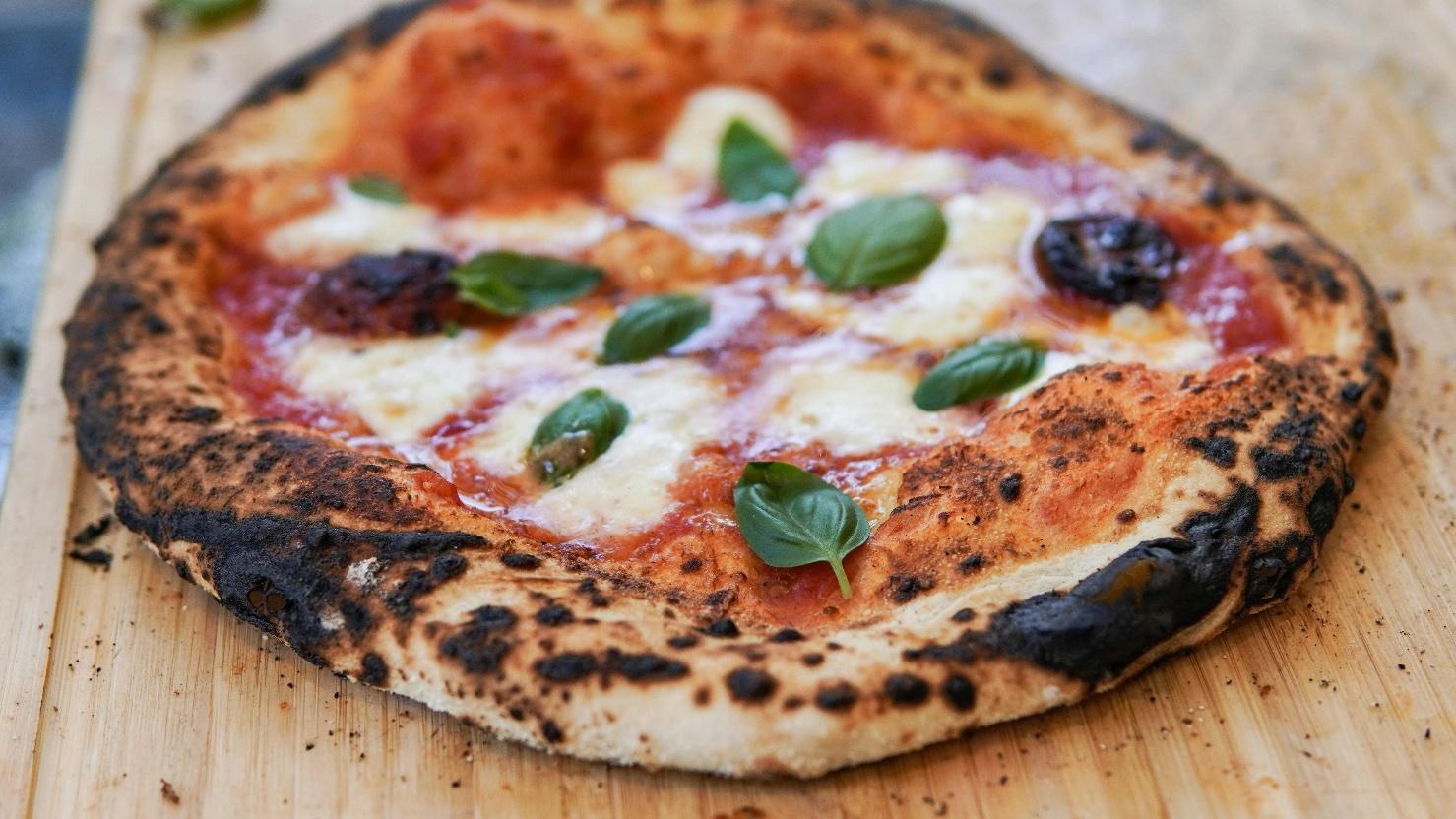
Neapolitan pizza represents the traditional style that defines authentic Italian pizza. Above all, the dough is the most crucial element. Made with only four ingredients—flour, water, salt, and yeast—the dough is hand-kneaded and left to rise slowly for at least eight hours. During this time, fermentation develops complex flavors and creates a soft, elastic texture. Importantly, the dough is never rolled with a rolling pin but stretched by hand in order to preserve air bubbles.
Neapolitan pizza features a thin center that’s soft and pliable. Meanwhile, the crust forms a puffy, charred edge called the cornicione. In fact, this raised edge is airy and slightly chewy, often showing characteristic black spots from the intense heat of the wood-fired oven.
These pizzas are baked in wood-fired ovens at extremely high temperatures—typically between 800–900°F (427–482°C). Because of this, cooking takes only 60–90 seconds. As a result, the crust becomes blistered and lightly charred while the center remains tender and the toppings stay fresh.
The classic Margherita features San Marzano tomatoes grown outside Naples, fresh mozzarella di bufala, basil, and extra virgin olive oil. Similarly, another traditional variety—the Marinara—contains tomatoes, garlic, oregano, and olive oil.
Interestingly, Naples is also famous for fried pizza. Originally, this dish was born out of necessity and poverty during World War II. At that time, traditional pizza became nearly unattainable because ingredients were scarce and many wood-fired ovens had been destroyed. Therefore, frying dough became a practical solution. As a result, the dough puffed up and appeared more filling, while pizzaioli stuffed it with inexpensive ingredients such as ricotta and ciccioli—pork cracklings left over from lard production.
Roman Pizza: The Crispy Contender
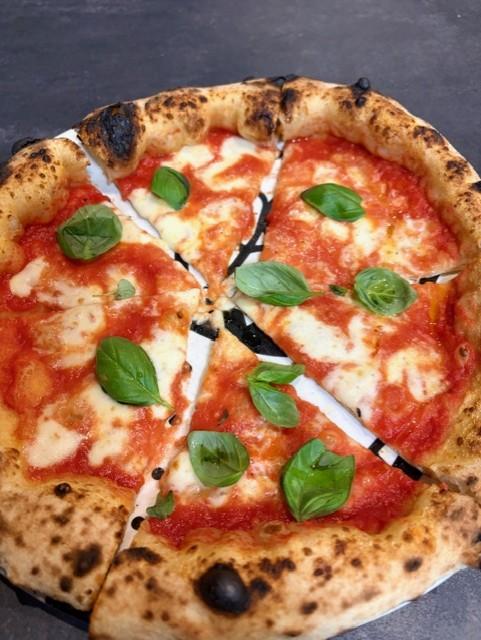
In contrast, Rome developed its own distinct pizza style that differs significantly from its Neapolitan cousin. Roman pizza, known as pizza Romana or pizza in teglia, reflects the tastes and techniques of the Italian capital. For example, some of the best slices can be found at Antico Forno Roscioli near Campo de Fiori in the heart of Rome.
The most striking difference lies in the crust. While Neapolitan pizza is soft and chewy, Roman pizza features a thin, crispy base with a cracker-like texture.
Furthermore, the dough preparation differs significantly. Roman pizza dough typically contains olive oil, which contributes to its crisp texture and helps it remain crunchy even after cooling. Unlike Neapolitan dough, Roman dough is rolled thin with a rolling pin and often pressed into rectangular baking pans for pizza al taglio, the style commonly sold by the slice.
Roman pizza is also cooked differently. Specifically, it is baked at lower temperatures—usually around 570–600°F (300–315°C)—for a longer time, typically 12–15 minutes. Consequently, the slower baking process produces the evenly crisp texture that defines Roman pizza.
Moreover, Roman pizza tends to feature more varied toppings. Popular combinations include potato and rosemary, prosciutto and arugula, or zucchini flowers with anchovies. Notably, Pizzarium Bonci is famous for these inventive toppings. In fact, Anthony Bourdain once joked that to get Bonci’s pizza, people should “leave your family, abandon your children.”
The Honored Art of the Pizzaiolo
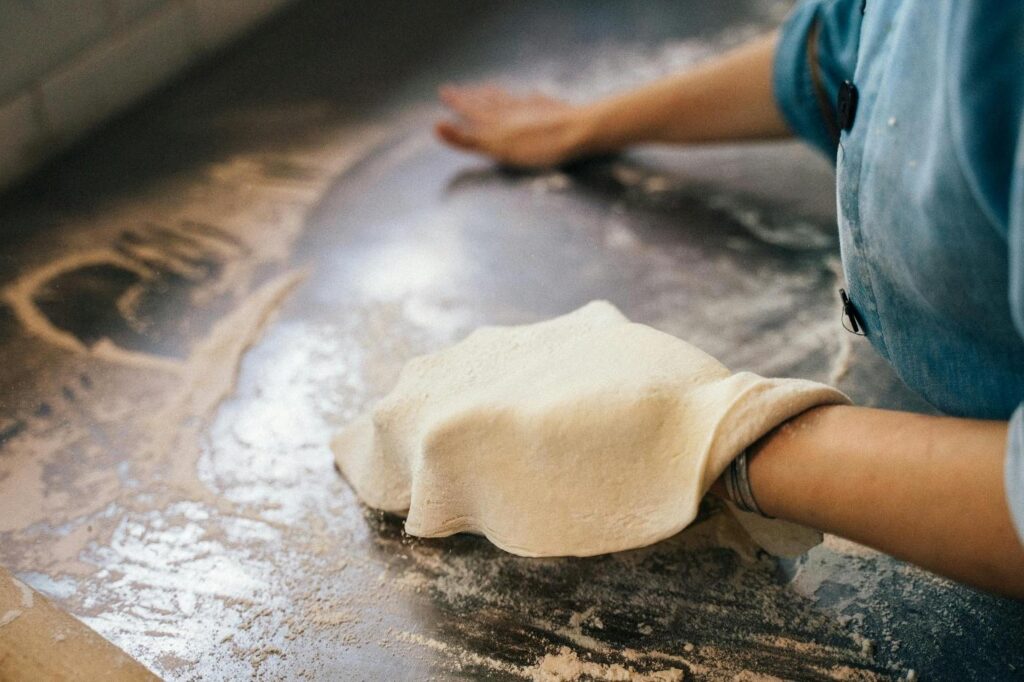
In Italy, becoming a pizzaiolo is not simply learning a trade. Rather, it means mastering a respected culinary art. Indeed, the pizzaiolo holds an honored role in Italian culture because they preserve centuries of tradition.
Typically, the journey begins with apprenticeship. First, aspiring pizza makers spend years observing experienced masters. Then, after demonstrating patience and skill, they are gradually allowed to stretch dough and eventually prepare entire pizzas.
Mastering dough is perhaps the most difficult challenge. For instance, humidity, temperature, and fermentation all influence the final result. Therefore, a skilled pizzaiolo develops an intuitive understanding of dough through years of practice.
Likewise, managing a wood-fired oven requires remarkable expertise. Pizzaioli must maintain exact temperatures and understand how heat circulates throughout the oven. Consequently, they can determine the precise moment when the crust achieves perfect char and the cheese melts just right.
Importantly, in 2017 the craft of the pizzaiolo in Naples was recognized by UNESCO as an Intangible Cultural Heritage of Humanity. This recognition, therefore, confirmed that pizzaioli are not merely cooks but guardians of cultural tradition.
Over time, many master pizzaioli have achieved global recognition. As a result, food lovers travel specifically to experience their creations.
These pizzaiolos have elevated pizza from street food to a respected culinary art:
- Franco Pepe – Often called one of the best pizzaiolos in the world, Pepe owns Pepe in Grani in Caiazzo near Naples and appeared in Netflix’s Chef’s Table: Pizza. Furthermore, he won The Best Pizza Awards in 2023 and Best Pizzaiolo of the Year in both 2021 and 2022.
- Ciro Salvo – Owner of 50 Kalò in Naples, Salvo began working in pizza at age 13. Later, he opened his pizzeria in 2014 and gained recognition in the Michelin Guide.
- Enzo Coccia – Owner of La Notizia, Coccia’s pizzeria became the first recommended by the Michelin Guide. Additionally, he wrote a scientific book detailing the art of Neapolitan pizza.
- Gino Sorbillo – A third-generation pizzaiolo who has become Italy’s most recognizable television pizza chef and expanded internationally.
Gabriele Bonci – Known as “Italy’s foremost celebrity baker,” Bonci revolutionized pizza al taglio at his famous Pizzarium in Rome.
Best Pizzerias in Naples
Classic / Traditional Neapolitan
- L’Antica Pizzeria da Michele – The most famous pizzeria, dating back to 1870 and made iconic by the film Eat, Pray, Love. Notably, they serve only two pizzas: Margherita and Marinara.
- La Notizia – Known for highly hydrated dough that produces exceptionally light pizzas.
- Pizzeria Da Attilio – A family-run establishment since 1938 famous for star-shaped pizzas with ricotta-filled crust.
- Antica Pizzeria Port’Alba – Claims to be the oldest pizzeria in the world.
- Pizzeria Brandi – The birthplace of Pizza Margherita in 1889.
- Gino Sorbillo – Known for light, airy dough and multiple locations throughout Naples.
Modern / Contemporary
- Diego Vitagliano Pizzeria – Ranked #1 on the global “Top 50 Pizza” list in 2023.
- 50 Kalò – Run by Ciro Salvo and known for slow fermentation and artisanal ingredients.
- Pizzeria Starita a Materdei – Operating since 1901 and famous for Montanara pizza.
Fried Pizza
- La Masardona – Widely considered the best fried pizza in Italy.
Best Pizzerias in Rome
Roman-Style (Thin & Crispy)
- Pizzeria L’Elementare – A benchmark for Roman-style pizza with airy dough and crispy crust.
- La Montecarlo – Popular with locals near the Pantheon.
- Pizzeria Alle Carrette – Historic pizzeria known for crispy scrocchiarella pies.
Pizza al Taglio (By the Slice)
- Antico Forno Roscioli – An iconic Roman bakery serving pizza by the slice.
- Pizzarium – Gabriele Bonci’s revolutionary pizza destination.
- Sbanco – A neighborhood favorite with craft beer and wood-fired pizza.
Neapolitan-Style in Rome
- Seu Pizza Illuminati – Known for creative pizzas and incredibly light dough.
- Emma Restaurant – Elegant restaurant near Campo de Fiori with excellent pizza.
- 50 Kalò Rome – Ciro Salvo’s Roman outpost serving classic Neapolitan pizza.
That’s Amore!
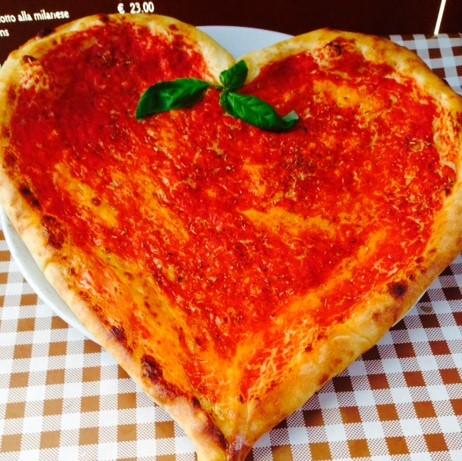
Ultimately, every slice of pizza tells a story. Therefore, the next time you bite into pizza, remember that you’re tasting centuries of history. Contact Luxury Italian Tours to book your private pizza walking tour or pizza-making class to learn the techniques behind authentic Neapolitan and Roman pizza.
Cover image credit: Shutterstock.com | Food Arena
FAQs
Where was pizza invented?
Pizza was invented in Naples, where working-class residents in the 18th and early 19th centuries began adding tomatoes to flatbread. The world widely recognizes Naples as the birthplace of modern pizza, particularly Neapolitan pizza.
When was pizza invented?
Pizza as we know it today emerged in the late 1700s and early 1800s in Naples. While flatbreads existed for thousands of years, the addition of tomatoes—introduced to Europe from the Americas in the 16th century—transformed pizza into a distinctly Italian creation.
Who invented Margherita pizza?
History credits Margherita pizza to Neapolitan pizzaiolo Raffaele Esposito, who created it in 1889 to honor Queen Margherita of Savoy. The toppings—tomato, mozzarella, and basil—represent the colors of the Italian flag.
Why is Naples famous for pizza?
Naples is famous for pizza because it developed the original techniques, ingredients, and traditions that define authentic Neapolitan pizza, including wood-fired ovens, simple toppings, and hand-stretched dough.
What makes authentic Italian pizza different?
- Authentic Italian pizza features:
- Thin, soft crust
- High-quality ingredients like San Marzano tomatoes and fresh mozzarella
- Wood-fired oven cooking
- Minimal toppings to highlight flavor balance
- Organizations like Associazione Verace Pizza Napoletana protect authenticity
Is pizza originally from Italy?
Yes, modern pizza originated in Italy, specifically Naples. While flatbreads existed in ancient cultures, Italy transformed it into the tomato-based dish recognized worldwide today.
Why do we call it pizza?
The word “pizza” likely comes from Latin or regional Italian dialects referring to flatbread or baked dough. Historian in Italy have documented it as early as the 10th century.
When did pizza become popular worldwide?
Pizza gained global popularity in the late 19th and early 20th centuries, when Italian immigrants brought their culinary traditions to the United States and other countries. After World War II, pizza became an international phenomenon.
What is Neapolitan pizza?
Neapolitan pizza is the original style of pizza from Naples. It features a thin center, airy crust, simple toppings, and experts cook it quickly in a wood-fired oven at very high temperatures.
Is Neapolitan pizza protected as cultural heritage?
Yes. In 2017, UNESCO recognized the art of Neapolitan pizza-making as an Intangible Cultural Heritage of Humanity, honoring its cultural significance and traditional preparation methods.







Leave a Reply