Italy is a country that dazzles year-round, but savvy travelers know that the best time to visit Italy and truly experience its culture, cuisine, and history is during the off-season—from November through March. While summer brings heat, crowds, and peak prices, visiting Italy in winter months open the door to a more relaxed, immersive, and luxurious Italian experience.
From the art-filled streets of Florence to the truffle-scented hills of Piedmont, off-season Italy invites travelers to slow down, savor, and indulge—often at a fraction of the cost and without the flood of summer tourists.
Discover why off-season travel is the ultimate luxury—and how to enjoy authentic Italian life in some of our top destinations in Rome, Florence, Bologna, Piedmonte and Milan.
What Are the Benefits of Off-Season Travel to Italy?
The primary advantage of off-season Italy travel is access. Museums such as the Uffizi in Florence and the Santa Maria della Grazie Church in Milan which houses Leonardo da Vinci’s The Last Supper typically require reservations weeks in advance.
But, in the off-season, they can be entered spontaneously. Michelin-starred restaurants also have openings at reasonable dining times. Historic squares, or piazza, feel open and atmospheric rather than congested. Luxury hotels that sell out in July often offer reduced rates compared to peak season travel.
Weather is another key advantage. Most central and northern Italian cities rarely see extreme cold, and daytime temperatures often range from the mid-40s to high 50s Fahrenheit. There is no need to bundle up and these areas rarely have snow. Without sweltering heat waves, you can explore Roman ruins, museums in Florence, and stroll around Milan’s duomo and the Galleria Vittorio Emanuele II at a relaxed pace.
But perhaps the greatest luxury is the ability to experience Italy as Italians do. Winter is the season of opera, truffle markets, wine cellar tastings, cozy trattorias, and candlelit aperitivo hours. Instead of rushing to popular landmarks, you may find yourself part of a more intimate and authentic rhythm—one filled with locals returning to their favorite restaurants, new exhibition openings, and endless culinary delights.
Rome: Eternal Beauty Without the Crowds
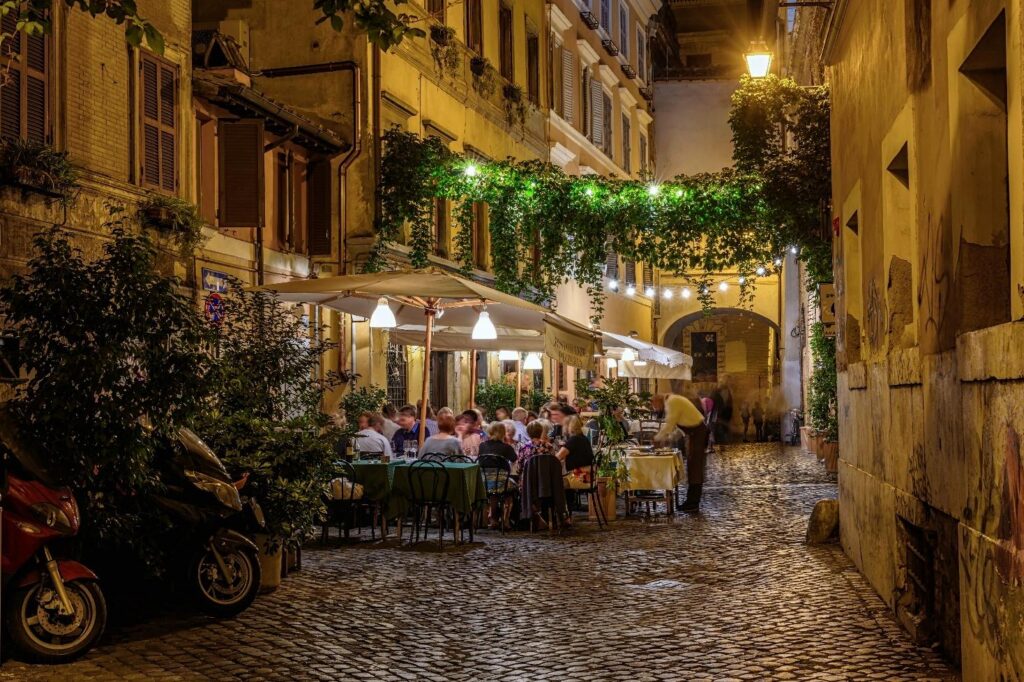
Rome is one of Europe’s best cities to visit in the off-season. In summer, heat radiates from every cobblestone and crowds flood the Colosseum, Vatican Museums, and Roman Forum.
In winter, the city breathes. Morning walks along the Tiber River towards Trastevere, one of the city’s oldest neighborhoods, feel peaceful, the great piazzas echo with church bells rather than busloads of tour groups, and visitors can truly experience the grandeur of the ancient world without fighting through masses of selfie sticks with influencers posing.
A visit to the Vatican Museums becomes a contemplative experience rather than a race through hallways. You can actually pause before Raphael’s “School of Athens,” study the Gallery of Maps without being swept along by crowds, and stand beneath Michelangelo’s Sistine Chapel ceiling with space to tilt your head back and truly appreciate his genius.
The Colosseum and Palatine Hill feel cinematic under soft winter light. Even the Pantheon—nearly impossible to photograph in summer—can be enjoyed in near silence. The Pantheon is nearly impossible to photograph in summer due to crowds. In winter, you can stand beneath the oculus, the opening at the dome’s center, and watch rain or rays of sunlight fall into the temple’s interior, allowing you to truly appreciate the engineering genius of ancient Rome.
Roman Culinary Traditions
Rome’s culinary scene shines in cooler months as its rich pastas are warming rather than heavy. Savor the “big four” —cacio e pepe (pecorino and black pepper), carbonara (guanciale, egg, pecorino), amatriciana (guanciale, tomato, pecorino), and gricia (guanciale and pecorino).
Winter brings carciofi alla Romana – Roman-style artichokes braised with mint and garlic – and carciofi alla Giudia – Jewish-style fried artichokes. Osso buco (braised veal shanks), vignarola (spring vegetable stew as winter transitions), and trippa alla Romana (tripe in tomato sauce) appear on traditional menus
Florence: Art, Fashion & Winter Light in the Cradle of the Renaissance
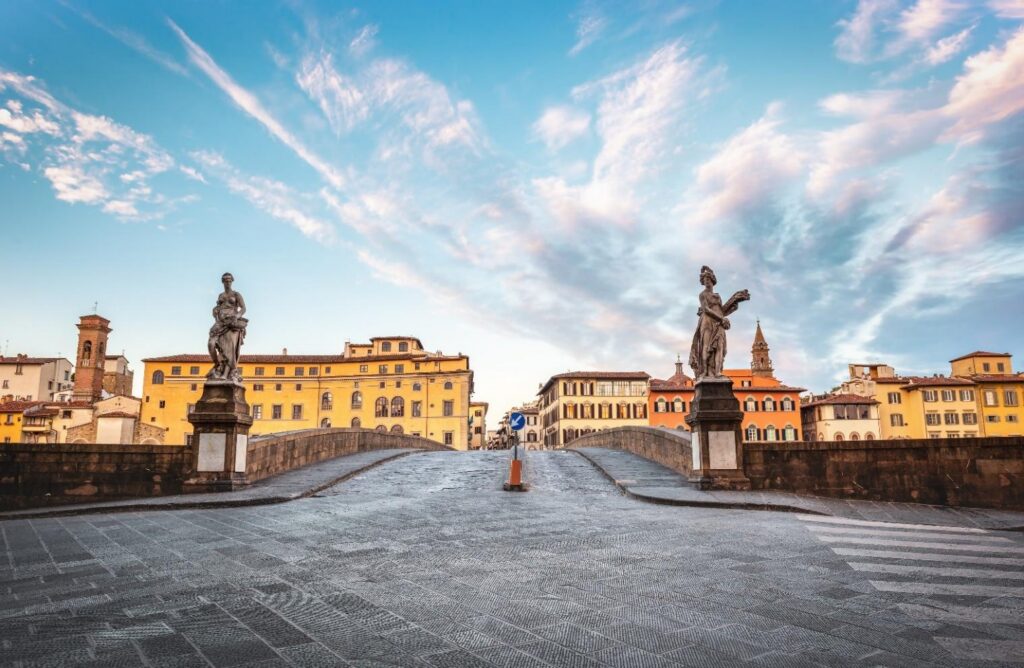
Florence is magnificent, but in peak season it can feel overwhelmed by day-trippers and crowds. Off-season transforms Florence back into the serene cultural gem—a place where art, architecture, and Tuscan traditions take center stage without the chaos.
Winter’s cooler temperatures make it comfortable to stroll between the Duomo, Ponte Vecchio, Palazzo Vecchio and along the Arno River without breaking a sweat.
The greatest luxury of off-season Florence is the freedom to enjoy world-famous art without hours-long waits. Inside of the Galleria dell’Accademia, you can stand before Michelangelo’s 17-foot marble masterpiece in a quiet room—able to walk around it, study the details of musculature and expression, and truly absorb its genius—is a much different experience than glimpsing it over smartphone screens and tour group crowds.
Seeing Botticelli’s Birth of Venus in a quiet room inside of the Uffizi Museum is also a profoundly different experience than poking your head between crowds. You can see and appreciate these masterpieces up close. Inside of the Uffizi Gallery, one of the world’s greatest art museums in the world, you can stand before Botticelli’s “Birth of Venus” and “Primavera” with space. Take your time with Caravaggio’s “Medusa,” Leonardo da Vinci’s “Annunciation,” Titian’s “Venus of Urbino,” and works by Raphael, Giotto, and Filippo Lippi.
Tuscan Flavors at Their Peak
Florence’s fine dining scene flourishes in winter when seasonal ingredients and hearty preparations align perfectly with cooler weather. November and December bring peak white truffle season. Tuscan truffles, while less famous than in Piedmont, are exceptional and more affordable. Restaurants throughout Florence shave generous portions over fresh pasta, risotto, and eggs.
Bistecca Fiorentina, Florence’s signature dish—a massive T-bone steak from Chianina cattle, grilled rare and served with just salt, pepper, and lemon—tastes even better with a glass of Chianti Classico or a Brunello di Montalcino.
Cold weather also brings Tuscany’s peasant soups to the forefront. Ribollita (bread and vegetable soup), pappa al pomodoro (tomato and bread soup), and fagioli all’uccelletto (beans with tomato and sage) appear on trattorias’ winter menus. This is true Italian comfort food.
Bologna: Italy’s Culinary Heart at Peak Flavor
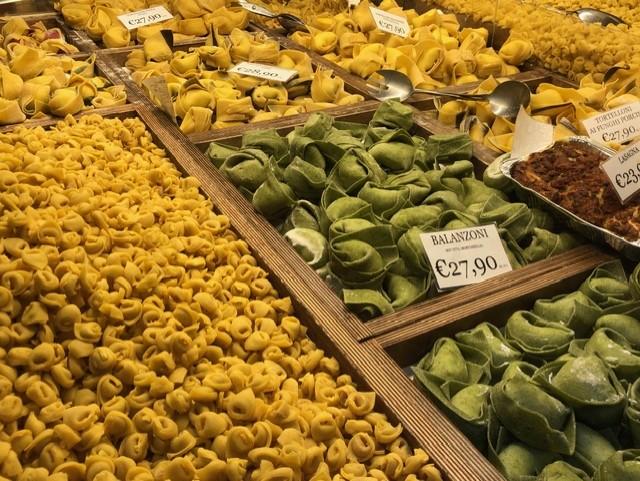
Bologna, the capital of the Emilia-Romagna region, is one of Italy’s most underrated cities—and winter is the best time to visit.
Known as “La Grassa,” or the fat one, Bologna is the heart of Italy’s food tradition. It is home to tortellini in brodo, ragù, cured meats, Parmigiano Reggiano cheese, and Prosciutto di Parma. In fact, it’s believed that Bologna was the birthplace of tortellini. Pasta topped with a rich Bolognese ragù is a staple on most menus, to be paired with some of the best Lambrusco, a sparkling red wine, produced in the region.
What to Do in Bologna in Winter
Off-season visitors love Bologna for its authenticity. Unlike more tourist-heavy cities, Bologna maintains its local character year-round thanks to its vibrant student population (home to Europe’s oldest university, founded in 1088) and resident Bolognesi who fill the streets, markets, and restaurants regardless of the season.
Bologna’s porticos, or covered arcades, are nearly 25 miles long —a UNESCO World Heritage Site. These were intended to keep residents cool in the heat but will also keep you sheltered from winter rain while leading you past cozy cafés perfect for cappuccino or mulled wine breaks.
Foodies can wander around the Quadrilatero district, Bologna’s ancient market quarter behind Piazza Maggiore. Even in winter, this labyrinth of narrow streets brims with local produce, fresh pasta, mortadella, and other Italian delicacies. Stop at street food gems like Murtadela for divine mortadella bites or grab a piadina (flatbread) to enjoy with wine at a nearby bar.
Piedmont: White Truffles, Wine & Fireplaces
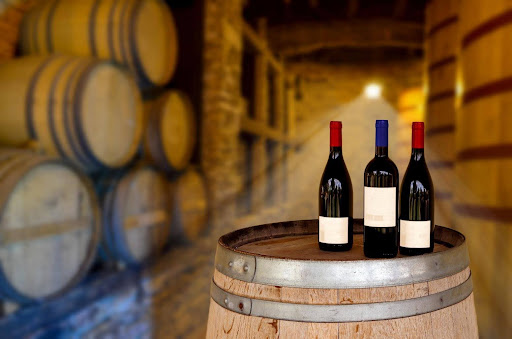
Nestled alongside the borders of France and Switzerland and surrounded on three sides by the Alps, Piedmont is the ultimate winter destination for wine and food connoisseurs. This northern region is famous for its red wines—Barolo, Barbaresco, Nebbiolo—along with white truffles, hazelnuts, and slow-cooked braises.
Off-season Piedmont means mist-covered vineyard hills, intimate cellar tastings, and the International Alba White Truffle Fair which runs from October through December draws Michelin-starred chefs from around the world. Here, you can sample truffles and other local products. Luxury Italian Tours can also plan a private guided truffle hunt with trifolau (truffle hunters) and trained dogs will take you into the forest to find these prized delicacies. Afterwards, enjoy a truffle-based meal with your finds.
Winter opens doors to experiences unavailable during harvest season. Visit legendary estates like Marchesi di Barolo, Ceretto, or Pio Cesare for private cellar tours and vertical tastings of aged Barolo.
maller, family-run wineries such as Gaja in Barbaresco and others in Serralunga d’Alba and Monforte d’Alba offer intimate sessions where winemakers personally pour their wines beside crackling fires. Many estates also produce Dolcetto, Barbera, and the rare white wine Arneis are all worth tasting.
Piedmont’s cuisine peaks in winter. Multi-course tasting menus feature tajarin (thin egg pasta) with butter and white truffles, vitello tonnato (veal with tuna sauce), brasato al Barolo (beef braised in Barolo wine), agnolotti del plin (hand-pinched pasta), and hazelnut cake with zabaglione. Local restaurants range from rustic trattorias to Michelin-starred establishments like Piazza Duomo in Alba with its three Michelin stars.
Milan: Designer Sales & Winter Elegance
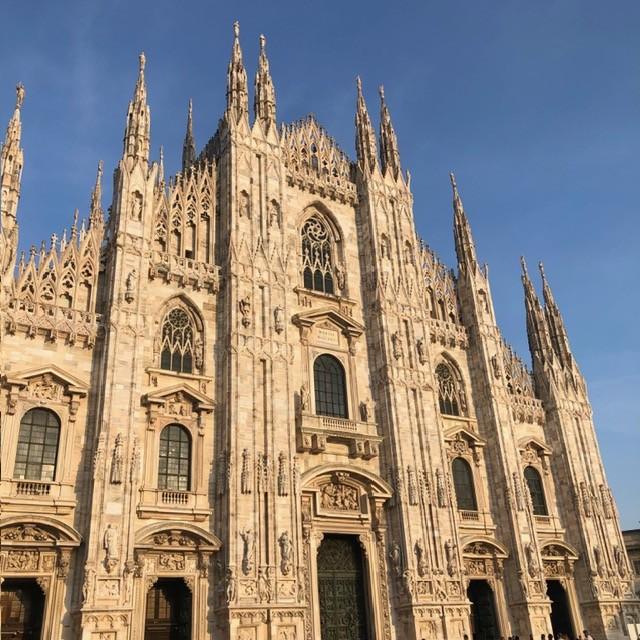
Milan is often seen as a business city, but off-season reveals its most stylish personality. Winter fog creates a mysterious glow over the Duomo, and the city’s architectural beauty feels more dramatic against the soft gray sky.
Winter is sale season in Italy, and nowhere is this more exciting than Milan. From early January through February, designer boutiques in the Quadrilatero della Moda (Fashion Quadrilateral) offer once-a-year price reductions on luxury brands—Prada, Gucci, Valentino, Versace, and more. Even if you’re not shopping, the window displays along Via Montenapoleone and Via della Spiga are works of art in themselves.
Or head out of town to the Serravalle Designer Outlet for more bargains. Luxury Italian Tours can arrange a VIP experience for you so you can relax in the lounge, leave your shopping bags while shopping for more finds and even take care of the tax-free refunds for extra savings.
Fashionists should flock to Amani/Silos, a museum showcasing Giorgio Armani’s timeless designs. Or head to the Prada Foundation, a contemporary art museum featuring thought-provoking exhibitions in spaces designed by architect Rem Koolhaas.
After exploring the galleries, relax at the stunning Café Luce, designed by director Wes Anderson with mint-green walls, pink booths, and a dollhouse aesthetic that’s become Instagram-famous. Stop at Marchesi 1824, which is owned by Prada, for coffee and pastries.
Art & Opera
Tickets for The Last Supper are notoriously difficult to secure in peak season, but winter offers better availability. Viewing this Renaissance treasure in person—in the intimate refectory where it was painted—is an unforgettable experience.
Teatro alla Scala, Milan’s legendary opera house, is at its height during winter, with world-class productions. The December 7 season opening (Feast of Saint Ambrose, Milan’s patron saint) is the city’s most glamorous social event.
Off-Season Italy Offers a More Authentic Experience
Off-season travel in Italy delivers something summer cannot: space, authenticity, atmosphere, and true immersion into Italian life. If you value culture, cuisine, comfort, and authenticity over beach weather, Italy from November through March is not the second-best choice—it is the best-kept secret in luxury travel.
Contact Luxury Italian Tours to discover the authentic side of Italy during the off-season.
Frequently Asked Questions About Visiting Italy in the Off-Season
Is Italy cold in winter?
Italian winters are mild compared to other European destinations. Temperatures vary by region, but most central and northern Italian cities rarely experience extreme cold. Rome averages 45-60°F (7-15°C), Florence ranges from 40-55°F (4-13°C), and Venice stays between 35-45°F (2-7°C). Winter temperatures are comfortable for sightseeing with proper layering. Milan and northern cities can be colder with occasional fog, while Piedmont’s wine country may see temperatures in the 30s-40s°F (0-7°C).
Does it snow in Italy in winter?
Snow is rare in most major Italian cities. Rome, Florence, and Venice occasionally see light snow, but significant accumulation is uncommon. The Alps and Dolomites in northern Italy receive substantial snowfall, making them excellent for skiing. Coastal and southern regions rarely see snow. Pack for damp, cool conditions and occasional rain.
Are museums and attractions open in Italy during winter?
Yes, most major museums, churches, and attractions remain open year-round with regular hours. Some sites may have slightly reduced hours (closing earlier in the afternoon), and certain outdoor attractions or gardens may be closed.
Is Venice flooded in winter?
Venice can experience “acqua alta” (high water) between October and January, though it’s most common in November. When flooding occurs, the city sets up elevated walkways, and most Venetians and businesses are well-prepared. Flooding typically lasts only a few hours during high tide. Bring waterproof boots if visiting during this period. Vendors also sell protective covering for your shoes and boots.
Are Italian restaurants open in winter?
Rome, Florence, Venice, Milan, and Bologna have thriving resident populations, so restaurants, cafés, and shops maintain regular schedules. We recommend to make reservations at high-end establishments.
How much cheaper is Italy in the off-season?
Off-season Italy offers significant savings. Hotel rates can be 30-50% lower than peak summer prices, especially at luxury properties. Flights tend to be cheaper as well. Many hotels offer winter promotions and packages. While museum entry prices remain constant, you’ll save time (which is money) by avoiding long ticket lines. Restaurants and shops may offer seasonal sales, particularly in January when Italy’s national sales (saldi) begin. Milan becomes a shopping destination during winter sales on designer goods.
Can I visit the Amalfi Coast or Italian beaches in winter?
While coastal areas remain accessible, many beach clubs, hotels, and restaurants in resort towns like Positano, Amalfi, and Cinque Terre close or reduce hours from November through March. Save beach destinations for April through October.
Is it worth visiting Italy in December for Christmas?
December in Italy is magical! Italian cities come alive with Christmas markets, elaborate nativity scenes, festive lights, and holiday decorations. Churches hold special concerts and midnight masses. Traditional Christmas foods appear in restaurants and markets. The weeks before Christmas offer festive ambiance. Note that December 8 (Immaculate Conception), December 25-26, and January 1 and 6 are national holidays when some businesses may close.
Cover photo credit Shutterstock.com | givaga