
As Valentine’s Day approaches, romance seekers turn their thoughts to Verona, Italy: the enchanting Italian city that immortalized by Shakespeare’s most famous love story.
While the tragic tale of Romeo and Juliet may be fiction, the magic woven into Verona’s medieval streets, ancient Roman monuments, and timeless piazzas is undeniably real.
This UNESCO World Heritage city in northern Italy offers the perfect blend of literary romance, historical grandeur, exceptional wine, and breathtaking natural beauty, making it an ideal destination for couples and solo travelers alike.
Juliet’s House and the Famous Balcony

The most visited site in Verona is Casa di Giulietta (Juliet’s House). It’s a 13th-century residence at Via Cappello 23, that has become synonymous with eternal love.
While Shakespeare never visited Verona and the Capulet family’s connection to this building remains historically tenuous, the romance surrounding the location has taken on a life of its own. The house features the iconic balcony where Juliet supposedly heard Romeo’s declarations of love. Though historians note the balcony was added in the 1930s to satisfy tourist expectations.
The courtyard beneath the balcony has become a pilgrimage site for lovers worldwide. A bronze statue of Juliet stands here. Unbelievably, tradition suggests that touching her right breast brings good fortune in love.
The walls surrounding the courtyard are covered with love notes, locks, and messages from visitors declaring their affections. Inside the house, period furnishings and Renaissance frescoes create an atmospheric journey into medieval Verona.
In contrast, the museum explores the evolution of the Romeo and Juliet story through various artistic interpretations.
For a small fee, visitors can step onto the famous balcony and recreate that legendary scene, providing an Instagram-worthy photo opportunity. The experience may be touristy, but there’s undeniable charm in participating in this collective romantic fantasy that draws millions annually.
Romeo’s House and Juliet’s Tomb
Lesser known but equally atmospheric, Casa di Romeo sits in the heart of Verona’s historic center. This medieval building, distinguished by its crenellated roofline, is privately owned and can only be admired from the exterior.
Its brick facade and Gothic architecture provide an authentic glimpse into the noble residences of medieval Verona, offering a quieter, less commercialized connection to the legendary story.
Juliet’s Tomb (Tomba di Giulietta) resides in the atmospheric crypt beneath the San Francesco al Corso monastery. The simple red marble sarcophagus sits in a dimly lit underground chamber that evokes both melancholy and romance.
Unlike the bustling scene at Juliet’s House, the tomb offers a more contemplative experience. The adjacent museum chronicles the story’s influence on art, literature, and popular culture throughout centuries.
Many couples leave letters addressed to Juliet here, participating in a tradition that has inspired countless romantic gestures and even a volunteer organization that responds to letters sent to Juliet from around the world. You may recall a scene in the movie “Letters to Juliet” starring Amanda Seyfried, where she plays an American woman who travels to Verona and joins a group of others who respond to all of the letters left behind.
The Roman Arena
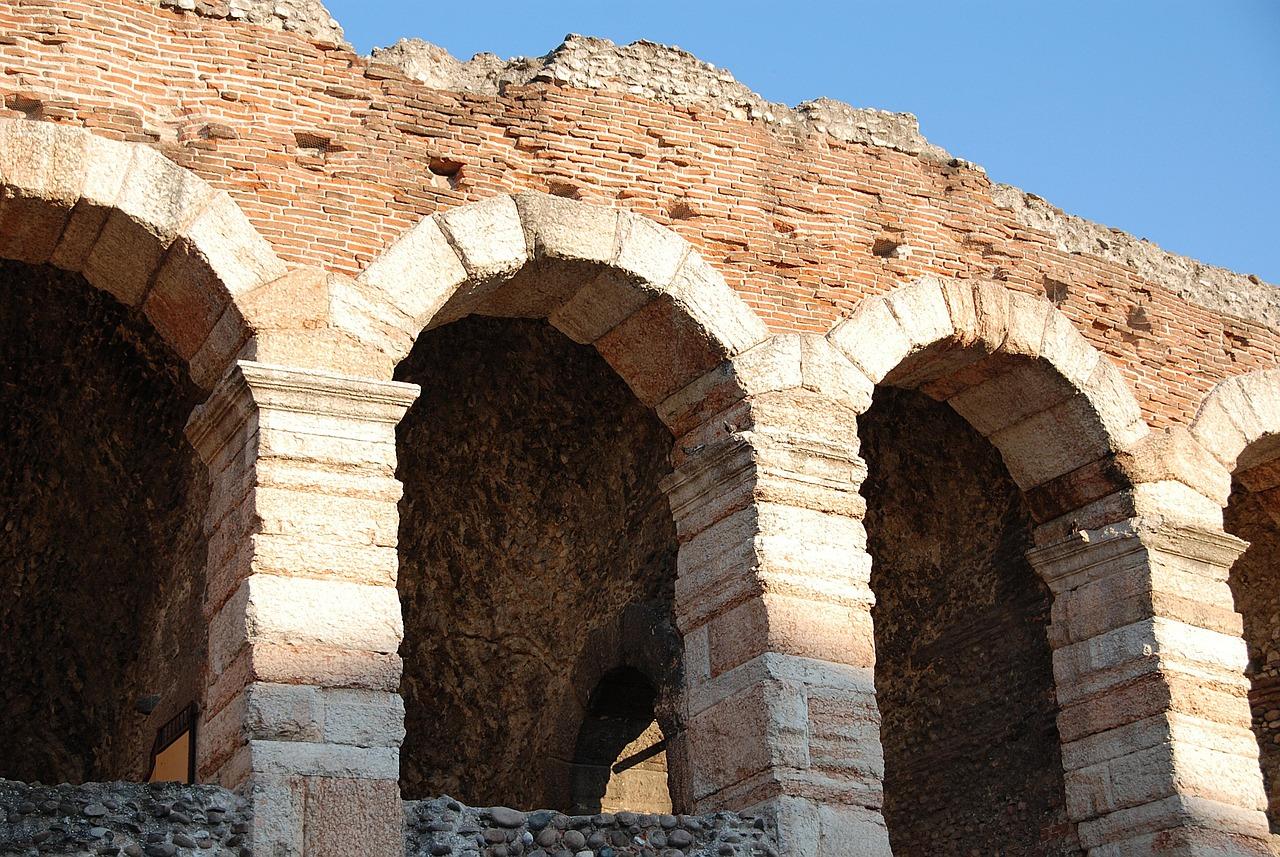
Verona’s crown jewel predates Shakespeare by over a millennium. The Arena di Verona, built in the first century AD, stands as one of the world’s best-preserved Roman amphitheaters. This massive structure, originally seating 30,000 spectators, continues to host performances today, most notably the world-renowned summer opera festival.
Attending the Arena di Verona Opera Festival which runs every year from mid-June to mid-August showcases an opera under the stars in this ancient venue, surrounded by 2,000 years of history, creates an unforgettable romantic experience that rivals any modern theater.
Even without attending a performance, exploring the arena’s architecture reveals the engineering brilliance of ancient Rome. Walking through the underground passages where gladiators once prepared for battle, then emerging onto the arena floor with the massive stone seating rising around you, provides a visceral connection to history that few monuments can match.
Piazza delle Erbe and Medieval Architecture
Piazza delle Erbe occupies the site of ancient Verona’s Roman forum and remains the city’s vibrant heart. The square showcases a remarkable architectural timeline, with medieval towers, Renaissance palaces, and baroque facades creating a harmonious ensemble.
The Madonna Verona fountain at the center of the square dates to Roman times, while the market stalls selling fresh produce, flowers, and local products maintain traditions stretching back centuries.
Surrounding the piazza, the frescoed facades of merchant houses display the wealth that trade brought to medieval Verona. The Torre dei Lamberti, the city’s tallest tower, offers panoramic views after climbing 368 steps or taking the elevator partway. From the top, Verona’s terracotta rooftops, the curve of the Adige River, and the distant Alps create a postcard-perfect panorama.
Castelvecchio and the Scaliger Bridge

The imposing Castelvecchio fortress, built in the 14th century by the della Scala family, demonstrates medieval military architecture at its finest.
Today it houses an exceptional art museum featuring works by Pisanello, Mantegna, and other masters of northern Italian art. The castle’s crenellated walls, internal courtyards, and defensive towers transport visitors to the era of noble families and political intrigue.
The adjacent Ponte Scaligero (Scaliger Bridge) spans the Adige River with distinctive brick crenellations matching the castle. Originally built as an escape route for the castle’s rulers, the bridge was destroyed during World War II and painstakingly reconstructed using original materials recovered from the riverbed.
Walking across at sunset, with views of the castle on one side and the river winding through Verona on the other, provides one of the city’s most picturesque moments.
Wine Country: Valpolicella and Soave
Valpolicella: The Land of Amarone
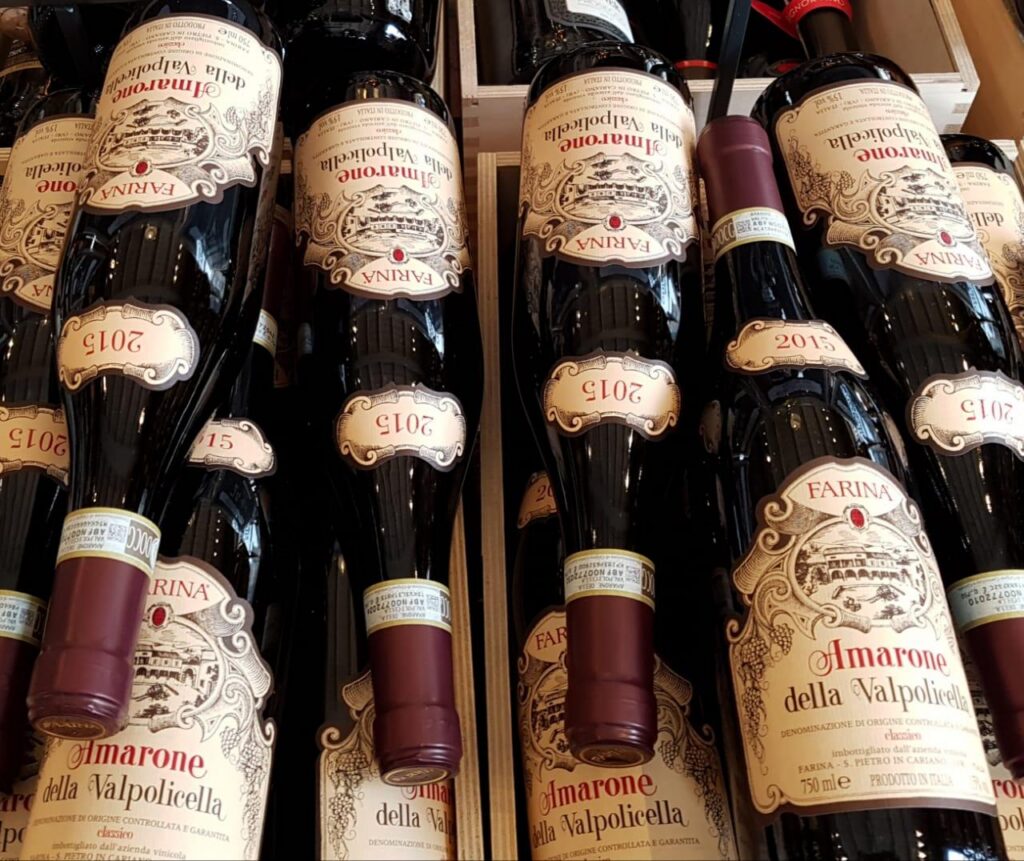
Just about 10 miles north of Verona lies the Valpolicella wine region, home to some of Italy’s most prestigious wines. This picturesque area of rolling hills covered with vineyards produces several distinct wines, most notably Amarone della Valpolicella, a rich, full-bodied red wine made using a unique appassimento method where grapes are dried for months before fermentation.
Numerous wineries are open for tours and tastings. Villa della Torre, a stunning 16th-century Renaissance villa owned by the Allegrini family, combines architectural beauty with exceptional wines. The villa’s symmetrical design and formal Italian gardens create an elegant setting for understanding how Valpolicella’s terroir produces such distinctive wines.
Soave: White Wine Excellence
East of Verona, the Soave wine region produces elegant white wines from Garganega grapes. The medieval village of Soave, crowned by an impressive Scaliger fortress, provides a fairy-tale setting for wine exploration. The village’s defensive walls, largely intact, encircle the historic center where wine shops and enotecas offer tastings of Soave Classico and the more prestigious Recioto di Soave, a sweet wine made using similar methods to Amarone.
Hiking through Soave’s vineyards, particularly in spring when wildflowers bloom between the vines, offers peaceful immersion in Italian wine culture. Many wineries here emphasize sustainable and organic practices, reflecting a modern approach to viticulture that respects the region’s long history.
Lake Garda: Italy’s Largest Lake at Your Doorstep
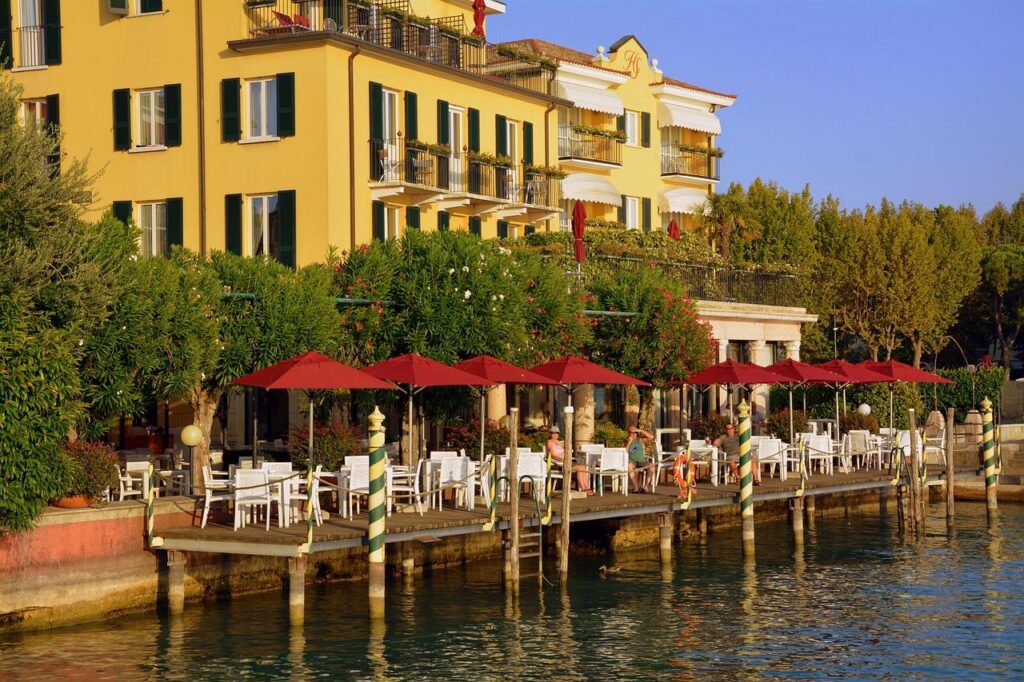
Verona sits about 20 miles from Lake Garda, Italy’s largest lake, making day trips or extended stays easily achievable. The southern shore, closest to Verona, features the thermal resort town of Sirmione, famous for its Scaliger Castle that extends into the lake on a narrow peninsula. The castle’s dramatic position, completely surrounded by water, creates a stunning landmark visible from miles away.
Sirmione’s historic center, accessible only by crossing the castle’s drawbridge, winds through narrow medieval streets filled with gelaterias, restaurants, and shops.
At the peninsula’s tip, the Grotte di Catullo preserve ruins of a vast Roman villa complex, offering both archaeological interest and spectacular lake views. The thermal springs that drew Romans to Sirmione continue to feed modern spas, providing opportunities for rejuvenating treatments with lake views.
Peschiera del Garda, another southern lake town, maintains significant Venetian fortifications recognized as a UNESCO World Heritage site. The town’s canals, defensive walls, and historic center provide a quieter alternative to busier lake destinations while offering excellent fish restaurants specializing in lake catches.
Why Verona Deserves a Place on Your Travel Itinerary
Above all, Verona, Italy’s strategic location enhances its appeal tremendously. Venice lies just an hour away by train, making it possible to experience two of Italy’s most romantic cities in one trip. Milan, Lake Como, and the Dolomites are all within easy reach, positioning Verona as an ideal base for exploring northern Italy’s diverse attractions. The surrounding wine regions and Lake Garda transform Verona from a single destination into a gateway for multiple experiences. You might spend morning exploring Roman ruins or afternoons tasting Amarone in Valpolicella’s hillside wineries. Then, spend the evening watching the sunset over Lake Garda, all within a 20-mile radius. Verona is the perfect place to celebrate love any time of year. Contact us to plan your visit to Verona and to the surrounding area.
Photos credit for featured image: Shutterstock.com | alma.tross