Italian olive oil is more than a cooking ingredient. It’s a living record of the country’s history, geography, and culture. From ancient groves planted by Greek settlers to the sun-drenched hills of Tuscany and Puglia, Italy has spent more than 2,500 years perfecting the art of olive oil production. Today, Italian extra virgin olive oil (EVOO) is prized worldwide for its complexity, and that complexity comes directly from terroir, the unique combination of soil, climate, and tradition found in each growing region. In this guide, you’ll learn the history of Italian olive oil, how the flavor of olive oil changes from region to region, and how to choose the right bottle for your table.
History of Olive Oil Production in Italy
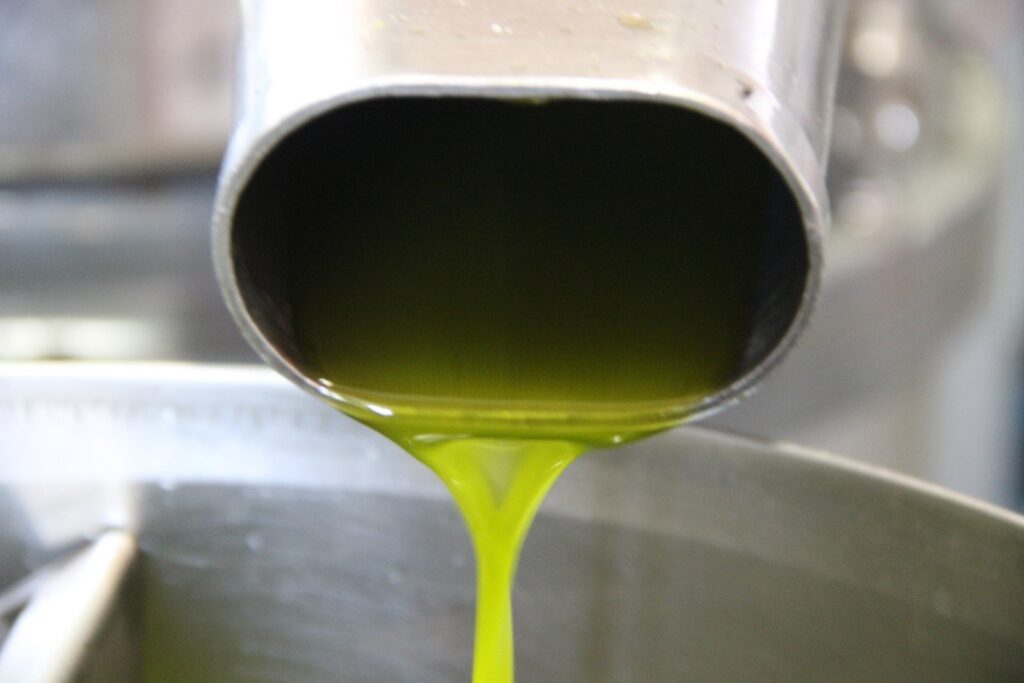
Olive cultivation arrived in Italy around the 6th century BCE, brought by Greek colonists who settled in the south in what is now Puglia, Calabria, and Sicily. The Romans later transformed olive oil into an economic powerhouse, developing sophisticated pressing techniques, grading systems, and trade routes that carried Italian oil across the Mediterranean and into the far reaches of the empire. Roman engineers even built massive stone mills, or trapeta, many of which laid the technological groundwork for the presses used centuries later.
After the fall of Rome, olive oil production continued under monastic communities, who preserved cultivation knowledge through the Middle Ages and expanded groves throughout central Italy. By the Renaissance, olive oil had become deeply woven into Italian cuisine, medicine, religious rituals, and trade. Wealthy families and city-states, particularly in Tuscany and Liguria, built reputations around the quality of their local oils.
The 20th century brought modernization: mechanical presses, cold-extraction methods, and eventually the European Union’s Protected Designation of Origin (PDO) and Protected Geographical Indication (PGI) certifications, which legally tie an oil’s identity to its specific region of origin. These certifications now cover dozens of Italian olive oils, each reflecting the unique agricultural fingerprint of its birthplace.
Puglia Olive Oil: Italy’s Production Powerhouse
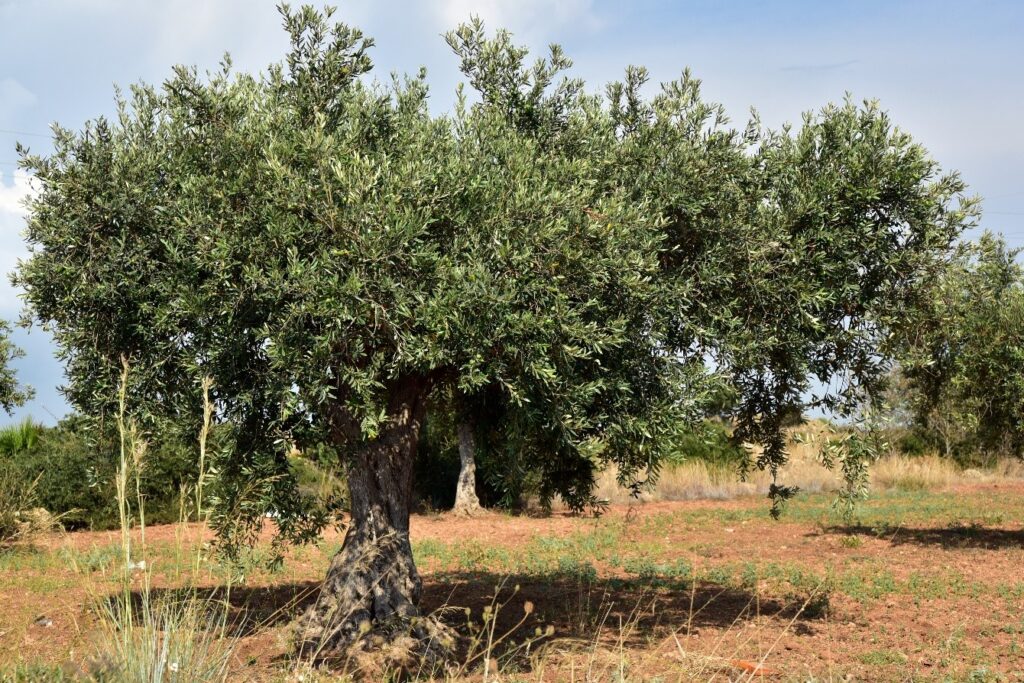
If Italy has an olive oil capital, it’s Puglia. This region, forming the “heel” of Italy’s boot, produces roughly 40% of the nation’s total olive oil output, thanks to its vast, ancient groves with some trees more than 1,000 years old. Puglia’s flat terrain, hot Mediterranean climate, and mineral-rich red soil create ideal conditions for high-yield cultivars like Coratina and Ogliarola.
Puglia olive oil tends to be robust and peppery, with pronounced bitterness and a grassy, almost tomato-leaf aroma. Coratina olives are known for their intense polyphenol content, giving the oil a sharp, palate-gripping finish that mellows beautifully with food. Because of its scale and consistency, Puglia supplies much of the oil that ends up in Italian supermarkets and export markets, making it the backbone of the country’s olive oil economy.
How Terroir Shapes Flavor Across Italy’s Olive Oil Regions
While Puglia dominates in volume, Italy’s smaller producing regions are where the country’s flavor diversity truly shines. Just as wine grapes express their environment, olives absorb the character of the soil, altitude, and microclimate where they’re grown. Below, we break down the flavor profile of each major region, from the bold, peppery oils of Tuscany to the mild, buttery oils of Liguria.
Italian Olive Oil Tasting Guide: Flavors by Region Explained
Tuscan Olive Oil: Peppery and Herbaceous
- Tuscan olive oil, especially from areas like Chianti Classico and the Colline di Firenze, is famous for its bright green color and bold, peppery bite.
- Grown at higher elevations with cooler nights, Tuscan olives develop notes of artichoke, fresh-cut grass, and almond.
- The region’s rocky, well-drained soils stress the trees just enough to concentrate flavor and polyphenols, resulting in an oil that finishes with a distinctive throat-catching pepperiness, a hallmark of high-quality freshness.
Ligurian Olive Oil: Delicate and Buttery
- Liguria’s coastal microclimate produces one of Italy’s mildest oils.
- The dominant Taggiasca olive yields a smooth, buttery oil with subtle notes of almond and pine nut, and almost none of the bitterness found in central or southern Italian oils.
- The Ligurian coastline, moderated by sea breezes, allows the olives to ripen slowly and fully, softening their flavor profile and making it perfect for delicate dishes like seafood or pesto, where Ligurian oil is traditionally used.
Umbrian Olive Oil: Balanced Complexity
- Landlocked Umbria, particularly the area around the town of Trevi, produces oils that strike a balance between Tuscan intensity and Ligurian smoothness.
- Umbrian oils, often made from Moraiolo and San Felice olives, show notes of green tomato and a moderate, well-integrated bitterness.
- The region’s hilly terrain and clay-limestone soils contribute to oils that are considered some of Italy’s most technically refined, frequently earning top marks in international competitions.
Sicilian Olive Oil: Fruity and Fiery
- Sicily’s volcanic soils, particularly around Mount Etna, impart a mineral-driven intensity to its oils.
- Varieties like Nocellara del Belice and Biancolilla produce fruity, tomato-and-artichoke-forward oils with a spicy, almost fiery kick.
- The island’s long growing season and dramatic temperature swings between day and night intensify aromatic compounds, giving Sicilian oil a boldness that pairs well with the island’s equally bold cuisine.
Calabrian Olive Oil: Robust and Rustic
- Calabria, one of Italy’s oldest olive-growing regions, produces intensely flavored oils from the Carolea and Dolce di Rossano varieties.
- Calabrian oils are often full-bodied with a rustic, slightly nutty character, reflecting the region’s rugged mountainous terrain and long-standing traditional pressing methods, many of which remain close to their ancient Greek roots.
Why Terroir Matters When Choosing the Right Italian Olive Oil
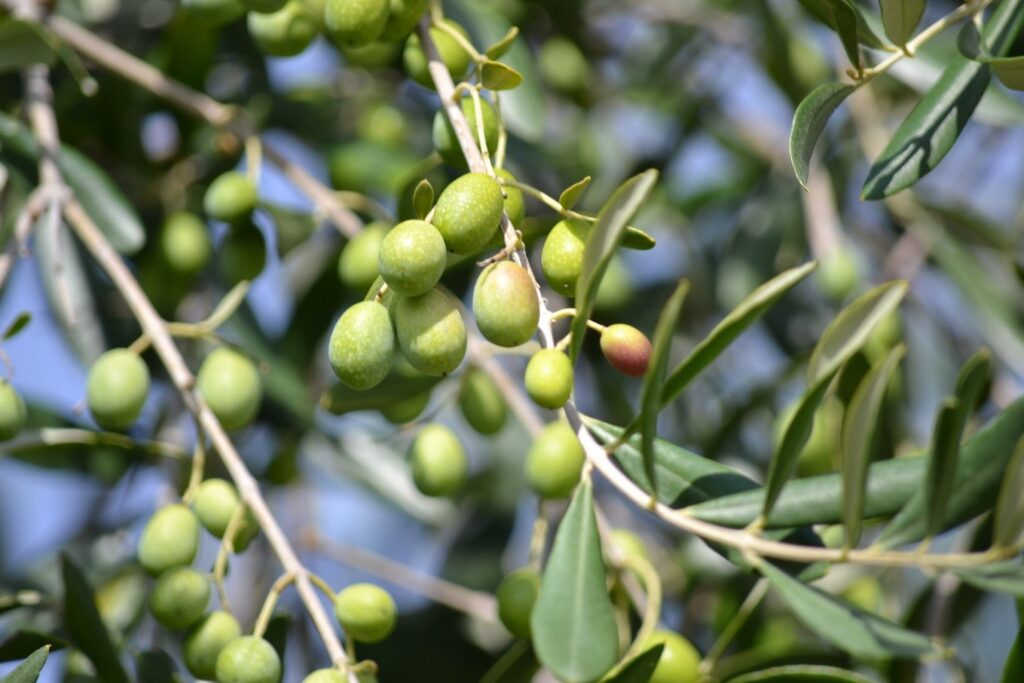
Understanding these regional differences isn’t just academic. It helps you choose the right oil for the right dish. A delicate Ligurian oil might be wasted on a hearty ragù, while a peppery Tuscan oil could overwhelm a simple salad of fresh mozzarella. Many Italian producers now list the olive variety, harvest date, and region prominently on their labels, encouraging consumers to explore Italian olive oil the way they might explore wine by region, varietal, and vintage.
From ancient Roman presses to modern PDO-certified estates, Italian olive oil embodies thousands of years of agricultural heritage and regional pride. While Puglia anchors the industry with sheer volume, it’s the interplay of soil, climate, and tradition across Tuscany, Liguria, Umbria, Sicily, and Calabria that gives Italian olive oil its extraordinary range of flavors. Whether you prefer the peppery punch of a Tuscan EVOO or the buttery smoothness of a Ligurian pressing, there’s an Italian olive oil suited to nearly every palate — a delicious testament to the country’s deep connection between land and table.
If you are interested in learning more about Italian olive oil, contact info@luxuryitaliantours.com to book an olive oil tasting master class with an olive oil sommelier, or an Italy vacation during olive harvest season, which typically runs from early October through December.
Frequently Asked Questions About Italian Olive Oil
What region produces the most olive oil in Italy?
Puglia is Italy’s largest olive oil-producing region, accounting for roughly 40% of national output thanks to its vast groves, favorable climate, and high-yield olive varieties like Coratina and Ogliarola.
Which region has the best olive oil in Italy?
There is no single best region, because the right oil depends on taste and use. Tuscany is known for bold, peppery oils, Liguria for mild and buttery ones, Umbria for balanced and refined oils, Sicily for fruity and spicy oils, and Puglia for robust, high-quality oil at a wide range of prices.
How long has Italy been producing olive oil?
Italy has been producing olive oil for more than 2,500 years, with cultivation dating back to around the 6th century BCE, when Greek settlers introduced olive trees to southern Italy.
What is terroir, and how does it affect olive oil?
Terroir refers to the combination of soil, climate, altitude, and local growing conditions that shape the flavor of agricultural products. In olive oil, terroir influences bitterness, aroma, and intensity, which is why oils from different Italian regions taste distinct even when made from similar olives.
What does PDO and PGI mean on an olive oil label?
PDO (Protected Designation of Origin) and PGI (Protected Geographical Indication) are European Union certifications that guarantee an olive oil was produced, and often processed, within a specific geographic region using traditional methods, ensuring authenticity and quality standards.
Which Italian region produces the mildest olive oil?
Liguria is known for producing Italy’s mildest, most delicate olive oils, primarily from the Taggiasca olive variety, resulting in a smooth, buttery flavor with minimal bitterness.
Why is Tuscan olive oil so peppery?
Tuscan olive oil’s signature pepperiness comes from its high polyphenol content, a result of cooler growing temperatures, higher altitudes, and early harvesting — factors that also indicate a fresh, high-quality oil.
What olive varieties are used in Sicilian olive oil?
Sicilian olive oil commonly uses Nocellara del Belice and Biancolilla varieties, which, combined with the island’s volcanic soil near Mount Etna, produce fruity oils with a spicy, robust finish.
Is more expensive Italian olive oil always better quality?
Not necessarily. Price can reflect certification, harvest method, and region, but quality is best judged by harvest date, polyphenol content, and proper storage rather than price alone. A fresher, well-stored oil often outperforms an older, pricier bottle.
How should I choose an Italian olive oil for cooking versus finishing?
Robust, peppery oils like those from Tuscany or Sicily are excellent for finishing dishes where their bold flavor can shine, while milder oils like Liguria’s are better suited for delicate cooking or dressings where you don’t want the oil to overpower other ingredients.
How can I tell if an olive oil is truly from the region listed on the label?
Look for PDO or PGI certification seals, which legally verify regional origin, and purchase from reputable producers or retailers who provide harvest dates, olive varietals, and traceability information on the label.
Cover image photo credit: @LuxItalianTours