The excitement of the 2026 Winter Olympics has put Milan, Italy and its surrounding region firmly in the global spotlight. While the world’s attention may have been focused on the slopes and ice rinks, the real adventure begins once the Olympic fanfare fades. Milan offers a perfect blend of world-class culture. All can expect cutting-edge design, and unparalleled access to some of Northern Italy’s most spectacular destinations. Whether you’re a first-time visitor or a seasoned Italy enthusiast, Milan serves as the ideal launching pad for unforgettable experiences.
Discovering Milan’s Urban Treasures
No visit to Milan is complete without standing in awe before the Duomo, the city’s magnificent Gothic cathedral. This architectural masterpiece took nearly six centuries to complete, and its intricate facade features over 3,400 statues. Luxury Italian Tours is your ultimate Milan, Italy travel guide and will provide you with access the rooftop terraces, where you can walk among the spires and enjoy panoramic views across the city. The golden Madonnina statue at the highest point has watched over Milan since 1774. It remains the city’s most beloved symbol.
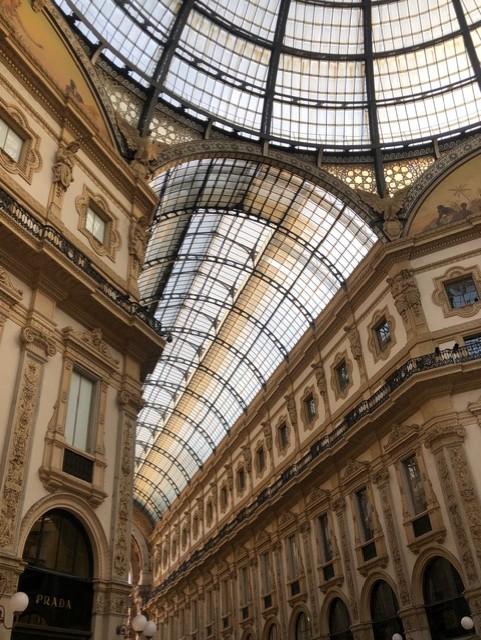
Adjacent to the Duomo, the Galleria Vittorio Emanuele II represents Milan’s elegant side. This 19th-century shopping arcade, with its glass-vaulted ceilings and mosaic floors, houses luxury boutiques and historic cafés. Local tradition suggests that spinning three times on the mosaic bull in the gallery’s center brings good luck. It’s a ritual that has worn a noticeable hole in the floor over decades of visitors’ participation.
Art lovers should dedicate several hours to Santa Maria delle Grazie, home to Leonardo da Vinci’s “The Last Supper.” This Renaissance masterpiece is one of the city’s hottest tickets as only a select number of visitors per day can view the fragile fresco. The church itself, a UNESCO World Heritage site, showcases stunning architecture that perfectly complements da Vinci’s genius.
Fashion and Famous Designers
Milan’s reputation as a fashion capital is well-earned, and the Quadrilatero della Moda demonstrates why. This luxury shopping district, bounded by Via Montenapoleone, Via della Spiga, Via Sant’Andrea, and Via Manzoni, features flagship stores from every major Italian and international fashion house. Even if shopping isn’t on your agenda, window-shopping through these elegant streets offers insight into Milan’s role as a global style trendsetter.
For those interested in contemporary design, the Brera district offers a more bohemian atmosphere. This artistic neighborhood features independent galleries, vintage shops, and the renowned Pinacoteca di Brera, which houses one of Italy’s most important collections of Italian Renaissance art. The cobblestone streets and ivy-covered buildings create a romantic ambiance perfect for leisurely afternoon exploration.
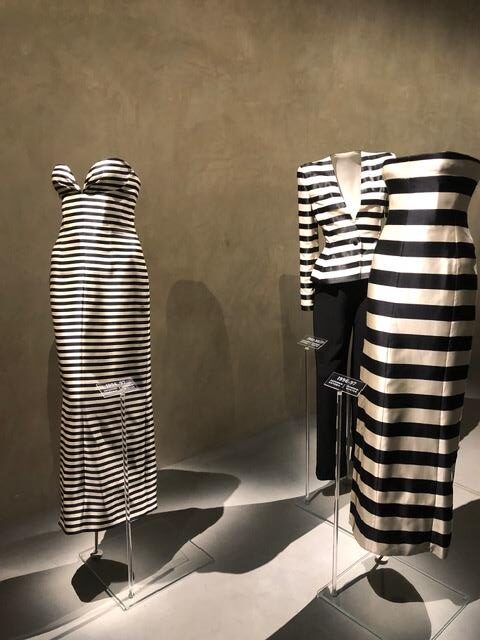
For a completely different architectural experience, the Armani/Silos museum (pictured) in the trendy Tortona district demonstrates how Milan bridges fashion history and contemporary culture. Housed in a converted 1950s granary, this four-story exhibition space chronicles Giorgio Armani’s creative journey through 600 outfits and 200 accessories spanning four decades. The industrial building’s raw concrete and exposed beams create a striking backdrop for Armani’s refined designs. The minimalist exhibition design allows the garments to speak for themselves, organized thematically rather than chronologically. Located in Milan’s emerging Tortona design district, the museum sits near galleries, concept stores, and trendy cafés. All of which have transformed this former industrial area into a creative hub.
Hidden Architectural Gems
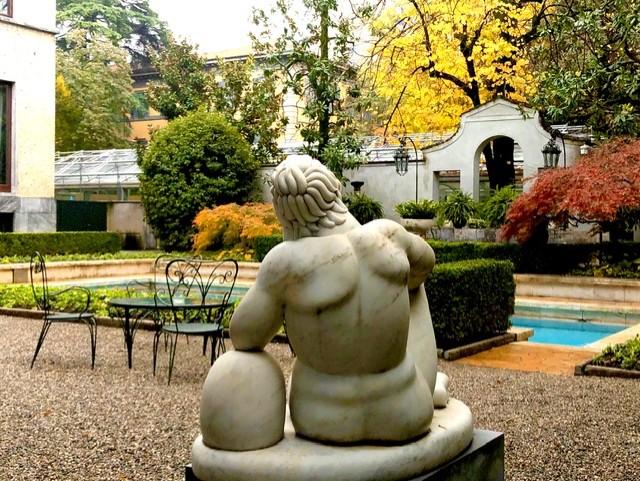
Beyond the famous landmarks, Milan conceals extraordinary architectural treasures that offer glimpse into the city’s diverse periods. Villa Necchi Campiglio (pictured), a masterpiece of 1930s rationalist architecture, transports visitors to the golden age of Milanese high society. This perfectly preserved villa showcases Art Deco elegance with its sleek lines, period furnishings, and stunning garden complete with a swimming pool—a rarity in central Milan. Film enthusiasts may recognize it as a primary filming location for “I Am Love” starring Tilda Swinton and “House of Gucci” starring Al Pacino, Lady Gaga, Jeremy Irons, Adam Driver and Jared Leto. The villa requires timed entry tickets and guided tours, offering an intimate experience that contrasts sharply with Milan’s busier attractions.
Culinary Experiences
Milan’s culinary scene extends far beyond the fashion-forward restaurants frequented by celebrities. Traditional trattorias throughout the city serve authentic Milanese specialties. Diners can expect dishes like risotto alla Milanese, a saffron-infused rice dish with a distinctive golden color. Or a cotoletta alla Milanese, a breaded veal cutlet that rivals Vienna’s schnitzel in both size and flavor.
The Navigli district, once Milan’s canal-based commercial center, has transformed into the city’s most vibrant nightlife area. Along the remaining canals, countless restaurants, bars, and cafés come alive each evening. Visit during aperitivo hour, typically from 6 to 9 PM, when bars serve complimentary buffets alongside cocktails, offering exceptional value and authentic local atmosphere.
No discussion of Milan’s drinking culture is complete without mentioning Bar Basso, a historic cocktail bar that has been a Milanese institution since 1947. Located in the Porta Venezia district, this unassuming corner bar is famous as the birthplace of the Negroni Sbagliato (literally “mistaken Negroni”), created when founder Mirko Stocchetto accidentally grabbed prosecco instead of gin while making a Negroni. The happy accident became one of Italy’s most beloved aperitifs. Bar Basso maintains its vintage charm with red leather banquettes, dim lighting, and oversized cocktails served in fishbowl-sized glasses. It’s a favorite haunt of fashion designers, artists, and locals who appreciate authentic Milanese style over trendy pretension. Visit during aperitivo hour to experience this slice of Milan’s cocktail history.
A Scenic Train Journey on the Bernina Express to Switzerland
The Bernina Express represents one of Europe’s most spectacular train journeys, connecting Milan to the Swiss Alps through a UNESCO World Heritage railway route. Departing from Milan, travelers first reach Tirano in northern Italy, where they board the distinctive red Bernina Express trains with their panoramic windows designed to maximize views of the surrounding mountains.
The journey climbs through 196 bridges and 55 tunnels, ascending to the Bernina Pass at 2,253 meters above sea level. Along the way, passengers witness dramatic landscape transitions from Italian palm trees to Swiss glaciers within just a few hours. The Landwasser Viaduct, a stunning curved bridge that seems to disappear directly into a mountain, provides one of the route’s most photographed moments.
During winter months, the contrast between snow-covered peaks and the train’s warm interior creates a cozy, magical atmosphere. Summer travelers enjoy lush alpine meadows dotted with wildflowers and grazing cattle. The train passes the Morteratsch Glacier and skirts the shores of several alpine lakes, offering ever-changing vistas that justify the journey’s popularity among photographers and nature enthusiasts.
The endpoint options include St. Moritz, Switzerland’s legendary resort town, or Chur, Switzerland’s oldest city. Both destinations offer opportunities to explore Swiss culture, cuisine, and alpine beauty before returning to Milan.
Lake Como: Elegance and Natural Beauty
Just 30 miles north of Milan, Lake Como has captivated visitors for centuries with its stunning combination of mountain scenery and Mediterranean vegetation. The lake’s distinctive inverted Y-shape creates numerous charming villages, each with its own character and attractions. Regular trains and buses connect Milan to Como in under an hour, making day trips entirely feasible.
Bellagio is often called the “Pearl of Lake Como.” Its steep, narrow streets lined with shops and restaurants lead to spectacular viewpoints overlooking the water. The Villa Melzi gardens offer peaceful walks among exotic plants and classical sculptures, while Villa Serbelloni‘s grounds provide even more dramatic panoramas.
Varenna, accessible by ferry from Bellagio, presents a quieter alternative with equally stunning views. The Castello di Vezio, perched on a hill above the town, offers 360-degree views of the lake and surrounding mountains. The castle’s resident falconry displays add an unexpected medieval touch to the experience.
For celebrity spotting and luxury experiences, Cernobbio’s Villa d’Este, one of the world’s most prestigious hotels, welcomes visitors to its restaurants and gardens even if not staying overnight. George Clooney’s nearby presence in Laglio has brought additional international attention to the lake, though the area’s inherent beauty needs no celebrity endorsement. If you wish to rent a villa close to his, visit Luxury Italian Villas to view our offering.
Lake Maggiore: Islands and Gardens
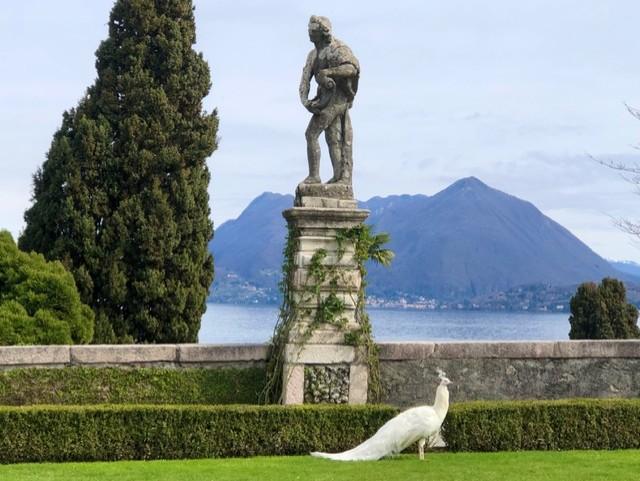
Lake Maggiore, Italy’s second-largest lake, straddles the Italian-Swiss border and offers a more diverse landscape than its better-known neighbor Como. The lake’s western shore features the Borromean Islands, an archipelago that includes some of Northern Italy’s most extraordinary gardens and palaces.
Isola Bella, the most famous of these islands, features a 17th-century palazzo and terraced gardens (pictured) that rise from the water like an elaborate ship. The baroque architecture and peacocks wandering the grounds create an almost surreal atmosphere. Neighboring Isola Madre boasts even more extensive botanical gardens, with exotic plants from around the world thriving in the lake’s mild microclimate.
The town of Stresa serves as the perfect base for exploring Lake Maggiore. Its elegant lakefront promenade, lined with belle époque hotels and cafés, evokes the region’s golden age as a playground for European aristocracy.
On the Swiss side of the lake, Locarno offers a blend of Italian and Swiss culture, with its sun-drenched piazzas and pristine Swiss efficiency. The town’s film festival, held each August, transforms the Piazza Grande into one of the world’s most atmospheric outdoor cinemas.
Practical Tips for Your Milan Adventure
Milan’s central location and excellent transportation infrastructure make all these destinations easily accessible. The city’s Malpensa and Linate airports offer connections throughout Europe and beyond. Within the city, the efficient metro system, trams, and buses make navigation straightforward even for first-time visitors.
Additionally, March through early summer, offers ideal conditions for visiting. Spring brings mild temperatures perfect for both city exploration and mountain excursions, while avoiding the peak summer crowds that descend on popular destinations like Lake Como. Early autumn presents another excellent window, with harvest season adding special charm to countryside excursions.
Whether you’re drawn by Milan’s fashion and culture, Italy’s fashion capital offers extraordinary diversity within easy reach. Contact us to create the perfect destination for travelers seeking both excitement and sophistication.
Frequently Asked Questions: Visiting Milan and Northern Italy
How many days should I spend in Milan and the surrounding region?
First, plan at least 4-5 days to properly experience both Milan’s urban attractions and one or two major excursions. You would need at least two days exploring Milan’s culture and architecture. One day for Lake Como, one day for the Bernina Express, and an additional day for Lake Maggiore or leisure time in the city.
How long is the Bernina Express journey from Milan?
The complete Bernina Express experience from Milan takes approximately 4-5 hours each way. You’ll travel from Milan to Tirano (about 2.5 hours), then board the Bernina Express for the scenic portion to St. Moritz or Chur (approximately 2.5-4 hours depending on the destination). It is a full-day excursion, though LuxEurope can book overnight stays in Switzerland allow for a more relaxed pace.
When is the best time to visit Milan and the surrounding areas?
March through June offers ideal conditions. Spring (April-May) brings mild temperatures, blooming flowers around the lakes, and fewer crowds than summer. September and October provide another excellent window with pleasant weather and autumn colors. July and August see peak tourist numbers and higher temperatures, particularly around the lakes. Winter visits (January-March) allow for snow-capped mountain views but some lake services run on reduced schedules.
Are these destinations family-friendly?
Importantly, Milan offers plenty for families, including parks like Sempione Park near Sforza Castle, interactive science museums, and gelato shops that delight children. The Bernina Express captivates all ages with its dramatic scenery, and children often travel at discounted rates. Lake Como and Lake Maggiore provide opportunities for boat rides, easy lakeside walks, and outdoor exploration. The Borromean Islands on Lake Maggiore, with their gardens and peacocks, particularly enchant younger visitors. Many restaurants are family-friendly and accommodate children’s menus.
What’s the difference between Lake Como and Lake Maggiore?
Lastly, while both are stunning glacial lakes, they offer different experiences. Lake Como is more compact and famous for its celebrity connections, dramatic mountain backdrop, and elegant villas. Its Y-shape creates distinct areas to explore, with Bellagio as the crown jewel. Lake Maggiore is larger and more diverse, straddling Italy and Switzerland. It features the remarkable Borromean Islands with their baroque palaces and exotic gardens, and its milder climate supports more subtropical vegetation. Como feels more intimate and exclusive, while Maggiore offers broader exploration possibilities including the Swiss side. For more information, visit our Guide to the Italian Lakes.
Cover photo credit: Unsplash.com | Ouael-ben-Salah







Leave a Reply